
Improving Your Hemp Growing Success: Key Factors Affecting Hemp Growth
Growing hemp successfully requires attention to many details. From selecting the right seeds to managing soil and water, every step influences the final yield and quality. Over the years, I have learned that understanding the factors affecting hemp growth is essential for maximizing production and ensuring a healthy crop. In this post, I will share practical advice and insights to help you improve your hemp growing outcomes.
Understanding the Factors Affecting Hemp Growth
Several factors play a critical role in how well hemp plants develop. These include soil quality, climate, water availability, seed genetics, and pest management. Each factor interacts with the others, so it is important to consider them as a whole.
Soil Quality: Hemp thrives in well-drained, loamy soil with a pH between 6.0 and 7.5. Soil rich in organic matter supports better root development and nutrient uptake.
Climate: Hemp prefers temperate climates with plenty of sunlight. It grows best in areas with 12 to 14 hours of daylight during the growing season.
Water: Consistent moisture is necessary, especially during germination and flowering. However, overwatering can lead to root rot and other diseases.
Seed Genetics: Choosing high-quality seeds with stable genetics ensures uniform growth and desired cannabinoid profiles.
Pest and Disease Control: Monitoring and managing pests and diseases early prevents crop loss and maintains plant health.
By focusing on these factors, you can create an environment that supports vigorous hemp growth and high yields.

Preparing Your Soil for Optimal Hemp Growth
Soil preparation is the foundation of a successful hemp crop. Before planting, test your soil to determine its nutrient content and pH level. This information guides your fertilization and amendment strategy.
Soil Testing: Conduct a comprehensive soil test to check for nitrogen, phosphorus, potassium, and micronutrients. Adjust nutrient levels based on test results.
Amendments: Add organic matter such as compost or aged manure to improve soil structure and fertility. Lime may be necessary to raise pH if the soil is too acidic.
Tillage: Proper tillage helps aerate the soil and remove weeds. Avoid excessive tilling, which can damage soil structure.
Drainage: Ensure your field has good drainage to prevent waterlogging. Raised beds or contour planting can help in areas prone to standing water.
Taking these steps before planting sets the stage for strong root development and healthy plants.
How Difficult Is It to Grow Hemp?
Growing hemp can be straightforward with the right knowledge and preparation, but it does come with challenges. The difficulty level depends on your experience, local conditions, and the scale of your operation.
Regulatory Compliance: Navigating state and federal regulations requires attention to detail. Testing for THC levels and maintaining proper documentation are critical.
Climate Sensitivity: Hemp is sensitive to extreme weather. Frost, drought, or excessive heat can reduce yields or damage plants.
Pest and Disease Pressure: While hemp is generally resilient, it can be affected by pests like aphids and diseases such as powdery mildew.
Harvest Timing: Harvesting at the right time is crucial for maximizing cannabinoid content and fiber quality. This requires careful monitoring of plant maturity.
Despite these challenges, many growers find hemp rewarding. With proper planning and management, you can overcome obstacles and achieve consistent success.
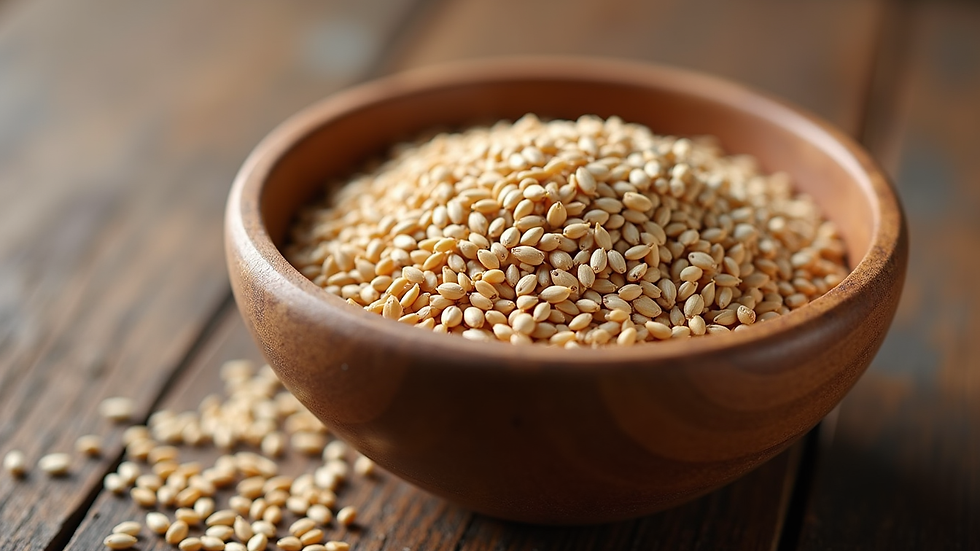
Selecting the Right Seeds for Your Hemp Crop
Seed selection is one of the most important decisions you will make. The genetics of your seeds influence plant vigor, cannabinoid profile, and resistance to stress.
Choose Certified Seeds: Certified seeds come with guarantees about germination rates and genetic stability.
Match Seeds to Your Goals: Whether you are growing for CBD, CBG, or fiber, select varieties bred for those purposes.
Consider Local Adaptation: Choose seeds that perform well in your region’s climate and soil conditions.
Source from Reputable Suppliers: Reliable seed companies provide detailed information about their strains and support for growers.
Using high-quality seeds reduces the risk of crop failure and helps you produce a consistent, marketable product.
Managing Water and Nutrients Effectively
Water and nutrients are vital for hemp growth. Both under- and over-application can harm your crop, so balance is key.
Irrigation: Use drip irrigation or soaker hoses to provide consistent moisture without waterlogging. Monitor soil moisture regularly.
Fertilization: Hemp requires nitrogen, phosphorus, and potassium in balanced amounts. Apply fertilizers based on soil test recommendations.
Micronutrients: Elements like calcium, magnesium, and iron are important for plant health. Deficiencies can cause stunted growth or leaf discoloration.
Timing: Apply nutrients at critical growth stages such as vegetative growth and flowering for best results.
Regular monitoring and adjustment of water and nutrient levels help maintain healthy plants and optimize yields.
Protecting Your Hemp Crop from Pests and Diseases
Effective pest and disease management protects your investment and ensures a quality harvest.
Regular Scouting: Inspect plants frequently for signs of pests or disease.
Integrated Pest Management (IPM): Use a combination of cultural, biological, and chemical controls to manage pests sustainably.
Sanitation: Remove plant debris and weeds that can harbor pests.
Resistant Varieties: Choose seed strains with known resistance to common diseases.
Proper Spacing: Avoid overcrowding to improve air circulation and reduce disease risk.
Early detection and prompt action are essential to prevent outbreaks and minimize damage.
Final Thoughts on Enhancing Your Hemp Growing Success
Improving your hemp growing success involves a comprehensive approach. By understanding and managing the factors affecting hemp growth, you can create optimal conditions for your crop. From soil preparation and seed selection to water management and pest control, each step contributes to a healthier, more productive field.
For those committed to excellence, investing in superior genetics and following best practices will pay off in higher yields and better quality. Remember, continuous learning and adaptation are part of the process. Stay informed about new techniques and market trends to keep your operation competitive.
For more detailed guidance and access to premium seeds, consider exploring resources from trusted suppliers who specialize in hemp genetics. This can be a valuable step toward maximizing your farm’s potential.
For additional information on hemp growing, visit Kush Master Seed Company’s website to discover their range of high-quality, stable CBD, CBG, and terpene-rich hemp seeds designed to help growers succeed.
By focusing on these practical strategies, you can enhance your hemp cultivation and achieve consistent, profitable results.


Comments