
Understanding Cannabinoid Profiles in Cannabis
- ghall
- May 4
- 4 min read
When working with hemp, understanding the cannabinoid profiles in cannabis is essential. These profiles determine the plant's chemical makeup and influence its effects, potency, and potential uses. For growers aiming to maximize yield and quality, knowing how to read and interpret these profiles can make a significant difference in both cultivation and marketing strategies.
What Are Cannabinoid Profiles in Cannabis?
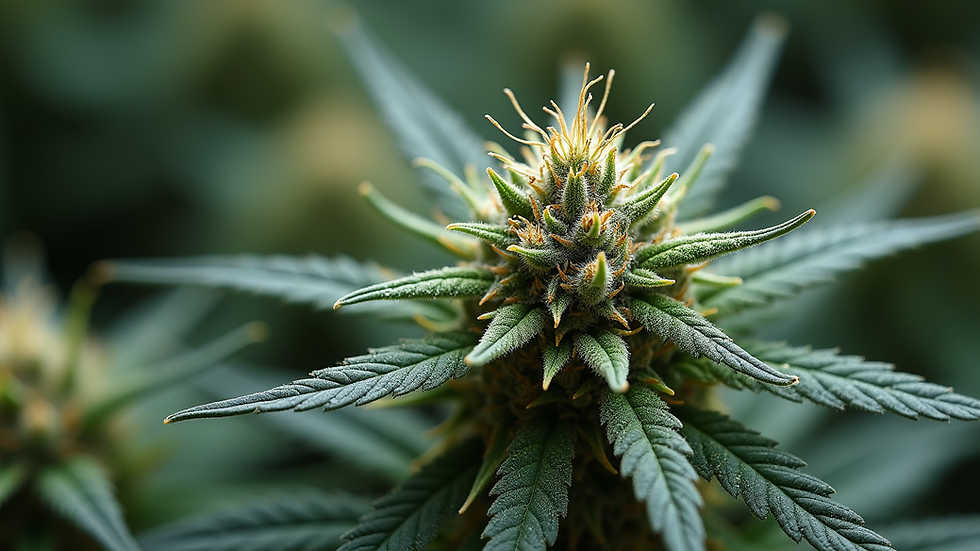
Cannabinoid profiles refer to the specific types and concentrations of cannabinoids present in a cannabis plant. Cannabinoids are chemical compounds that interact with the human body's endocannabinoid system. The most well-known cannabinoids include THC (tetrahydrocannabinol) and CBD (cannabidiol), but there are many others such as CBG (cannabigerol), CBC (cannabichromene), and CBN (cannabinol).
Each cannabis strain has a unique cannabinoid profile, which affects its therapeutic properties and psychoactive effects. For example, a strain high in CBD but low in THC is often sought after for medicinal purposes without the intoxicating effects. Conversely, strains with higher THC levels are typically used for recreational or specific medical applications.
Understanding these profiles helps growers select the right seeds and cultivation methods to produce plants that meet market demands. It also aids in compliance with legal limits, especially regarding THC content.
How to Analyze Cannabinoid Profiles in Cannabis
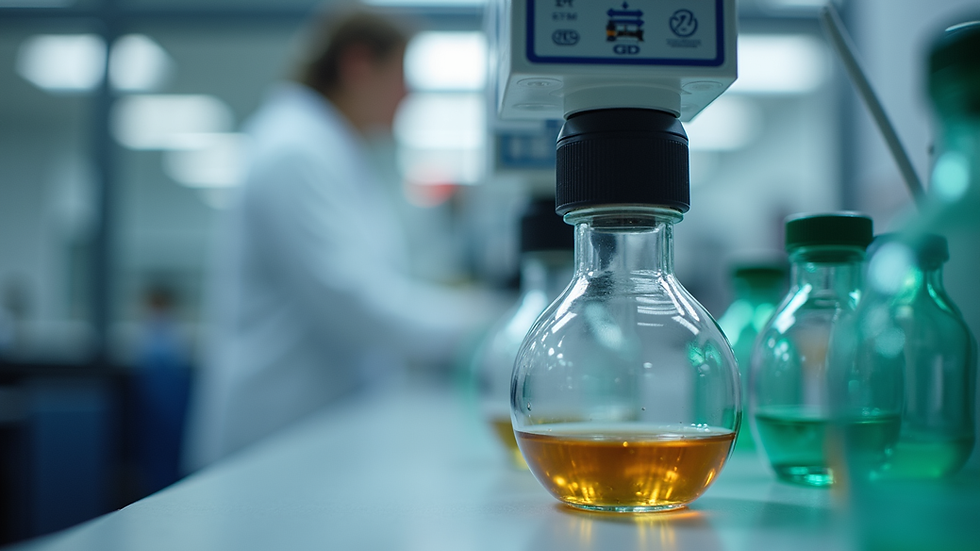
Analyzing cannabinoid profiles involves laboratory testing, which measures the concentration of various cannabinoids in a sample. This testing is crucial for growers who want to ensure their crops meet quality standards and legal requirements.
Here are the key steps involved in analyzing cannabinoid profiles:
Sample Collection - Collect representative samples from different parts of the plant to get an accurate profile.
Laboratory Testing - Use methods such as High-Performance Liquid Chromatography (HPLC) to quantify cannabinoid levels.
Interpreting Results - Understand the percentages of each cannabinoid and how they relate to the plant's overall effects.
Adjusting Cultivation - Use the data to adjust growing conditions, harvest times, and seed selection to optimize cannabinoid content.
For example, if a test shows low CBD levels but high THC, a grower might choose to switch to a different seed variety or modify nutrient inputs to favor CBD production.
Is cannabis a serious drug?
The question of whether cannabis is a serious drug often arises in discussions about its use and regulation. From a scientific perspective, cannabis contains compounds that can have both therapeutic and psychoactive effects. The seriousness of its impact depends on factors such as dosage, frequency of use, and individual sensitivity.
Cannabinoids like THC can produce intoxicating effects, which may impair judgment and coordination. However, cannabinoids such as CBD do not cause intoxication and are often used for their potential health benefits. The classification of cannabis as a serious drug varies by jurisdiction and is influenced by social, legal, and medical considerations.
For growers, understanding this complexity is important. It affects how products are marketed, regulated, and consumed. Ensuring that hemp crops comply with legal THC limits (usually 0.3% or less) is critical to avoid legal issues and maintain market access.
Practical Tips for Managing Cannabinoid Profiles
Managing cannabinoid profiles effectively requires attention to genetics, environment, and cultivation practices. Here are some actionable recommendations:
Choose Stable Genetics: Start with seeds from reputable suppliers that offer stable cannabinoid profiles. This reduces variability and increases predictability in your crop.
Optimize Growing Conditions: Light, temperature, humidity, and nutrients all influence cannabinoid production. For example, higher light intensity can increase THC and CBD levels.
Harvest Timing: Harvesting at the right time is crucial. Cannabinoid levels change as the plant matures. Testing samples regularly can help determine the optimal harvest window.
Post-Harvest Handling: Proper drying and curing preserve cannabinoid content and prevent degradation.
Regular Testing: Frequent lab testing throughout the growth cycle helps track cannabinoid development and make timely adjustments.
By following these steps, growers can produce hemp with targeted cannabinoid profiles that meet market demands and regulatory standards.
The Role of Terpenes in Cannabinoid Profiles
While cannabinoids are the primary focus, terpenes also play a significant role in the overall profile of cannabis plants. Terpenes are aromatic compounds that contribute to the plant's smell and flavor. They also interact with cannabinoids to influence the effects experienced by users, a phenomenon known as the "entourage effect."
Common terpenes include myrcene, limonene, and pinene. Each has unique properties and potential benefits. For example, myrcene is believed to have relaxing effects, while limonene may elevate mood.
Understanding terpene profiles alongside cannabinoids can help growers develop products with specific sensory and therapeutic qualities. Selecting seeds with desirable terpene genetics and optimizing cultivation to enhance terpene production can add value to the final product.
Maximizing Yield and Profit Through Cannabinoid Profiles
For commercial growers, the ultimate goal is to maximize yield and profit. Understanding cannabinoid profiles is a key part of this strategy. Here are some ways to leverage this knowledge:
Target Niche Markets: Growers can focus on producing hemp with high CBD, CBG, or specific terpene profiles to meet niche market demands.
Ensure Compliance: Avoid costly legal issues by maintaining THC levels within legal limits.
Improve Product Consistency: Stable cannabinoid profiles lead to consistent product quality, which builds customer trust.
Optimize Resource Use: Tailor inputs like nutrients and light to enhance desired cannabinoid production, improving efficiency.
Brand Differentiation: Unique cannabinoid and terpene profiles can differentiate products in a competitive market.
By integrating cannabinoid profile management into cultivation practices, growers can enhance both the quality and profitability of their crops.
Understanding cannabinoid profiles in cannabis is a foundational skill for anyone involved in hemp cultivation. It empowers growers to produce high-quality, compliant, and market-ready crops. With the right genetics, testing, and cultivation techniques, it is possible to optimize cannabinoid content and meet the evolving demands of the industry.


Comments